A new roof is one of the largest line items a homeowner can face, and the sticker price you see in a quick estimate is rarely the entire story. After two decades working with roofing crews, dealing with insurance adjusters, and sitting on roofs in every season, I can say with confidence that the moments contractors and homeowners miss most are the thin, expensive surprises. This piece walks through the usual hidden costs, why they matter, and how to spot or avoid them before they inflate your bill.
Why these details matter A difference of a few hundred dollars may seem trivial on a five thousand dollar roof, yet the majority of hidden costs come in mid-to-high hundreds, or even thousands. Missed flashing, rotten decking, and permit delays are not cosmetic. They affect water tightness, the life expectancy of the roof, and ultimately the resale value of the house. Knowing where expenses hide helps you budget sensibly and hold a roofing company accountable for scope and quality.
What the initial estimate typically covers Most estimates cover materials, labor for tearing off and installing the roof surface, and basic clean up. For an asphalt-shingle replacement on a 1,800 square foot roof you might see base bids between $6,000 and $12,000 depending on region and shingle grade. That number will often assume flat decking, standard underlayment, and no structural repairs. Anything outside that tidy scenario can add cost quickly.
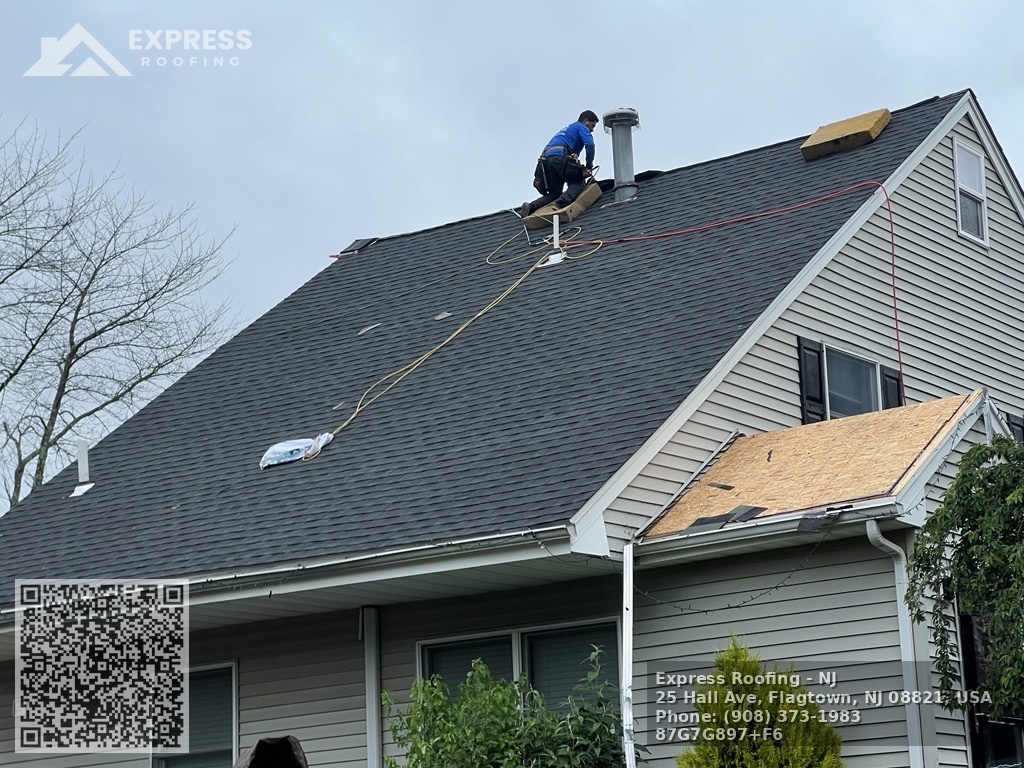
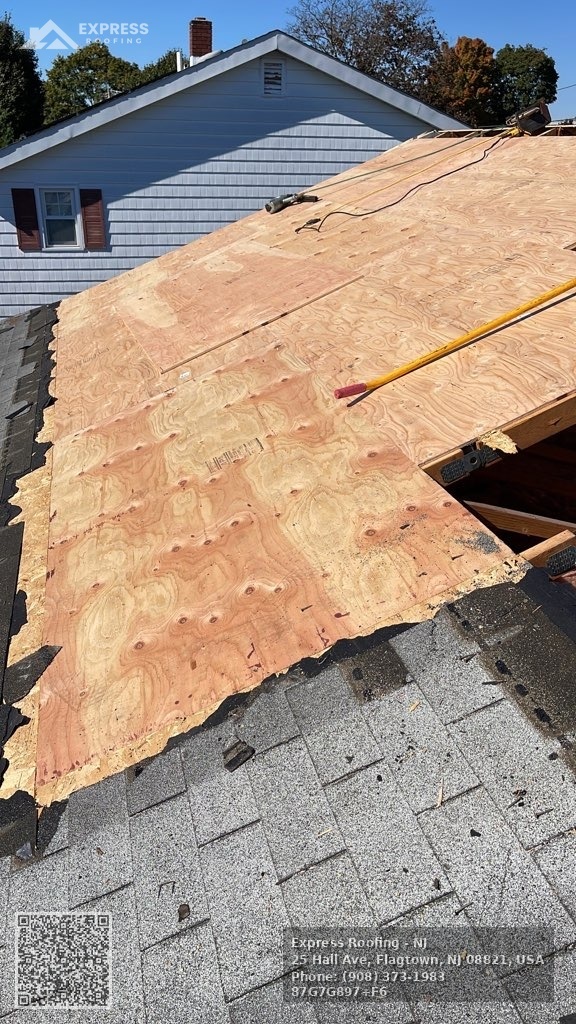
Hidden cost: damaged or rotten decking The roof deck is the plywood or OSB under the shingles, and you rarely see it until the crew pulls off the old covering. In many older homes the decking has water stains, soft spots, or nails that no longer bite. Replacing decking sheets typically costs between $35 and $60 per sheet for materials and labor, and a medium-sized roof often needs four to eight sheets replaced. A replacement that includes rafters or sheathing repair can climb into the thousands. One job I handled had three sheets of rotten decking replaced, plus localized rafter beef-up, and the final invoice increased by more than 20 percent over the initial estimate.
Hidden cost: flashings, valley work, and complex roof geometry Shingles themselves are only part of the waterproof layer. Metal flashings around chimneys, valleys, wall intersections, and vents prevent leaks. Many older installations used inadequate flashing or caulked flashings that are failing now. Re-flashing a chimney or valley can cost several hundred dollars to over a thousand, depending on how much metalwork and masonry sealing is required. Complex roofs with many hips, valleys, dormers, and penetrations lead to extra labor time, and labor is the largest variable in quotes.
Hidden cost: ice and water shield, underlayment upgrades, and code requirements Local building codes and insurance companies have pushed higher standards for roof underlayment in recent years. Twenty years ago a thin felt underlayment was common. Now many jurisdictions require synthetic underlayment, and insurance companies may insist on ice and water shield in eaves and valleys. Installing ice and water shield along eaves and valleys adds material and labor and often 5 percent to 10 percent to the total bill. If your contractor quotes a standard felt but your home needs an upgraded system to pass inspection or reduce insurance premiums, the cost difference will appear as an extra line item.
Hidden cost: ventilation improvements and attic work Proper attic ventilation preserves shingle life, prevents ice damming, and manages moisture. Many roofs are under-ventilated. Adding ridge vents, soffit vents, or powered attic vents is not expensive per piece, but when a roofer has to open soffits, replace damaged fascia, or rework insulation, costs can increase. A single roof that needed ridge venting, soffit repair, and three new gable vents added roughly $700 to the project I managed. Those improvements, however, prevented future shingles from overheating and reduced long-term maintenance.
Hidden cost: skylights, chimneys, and penetrations Anything that penetrates the roof is a detail that consumes time and material. Flashing skylights correctly, rebuilding chimney crowns, and fitting vents into tile roofs are specialty tasks. Rebuilding a chimney crown and re-flashing can be $800 to $2,500 depending on masonry work. Replacing or properly flashing a skylight can range from a few hundred dollars to over $1,200 for custom skylights. Special work also may require a mason or a separate subcontractor, which leads to coordination fees and schedule delays.
Hidden cost: disposal and dumpster fees Tear-off waste adds weight and volume, and many municipalities charge disposal fees by ton. For a full tear-off, expect disposal fees of several hundred dollars on an average house. In some urban areas with limited landfill access the cost can exceed $1,000 for a large roof. If an estimate does not list disposal separately, ask how and where waste will be disposed. Illegal dumping or cutting corners will show up later as fines or problems with neighbors.
Hidden cost: permits and inspection fees A permit that costs $75 in one town can cost $500 in another, and inspection requirements vary. Permits protect you by ensuring the work meets code, but they add time and cost. Contractors sometimes include permit fees, sometimes pass them through as a separate line. If a project requires a structural permit, engineer sign-off, or additional inspections for things like re-roofing over three layers, expect extra fees and time before work can finish.
Hidden cost: staging, access, and working at heights Properties with limited access, steep pitches, or tight yards require extra staging and labor. A steep roof uses specialized safety equipment and takes longer to work on. If a crew must carry materials through a narrow side yard, or rent cranes and staging platforms for tile roofs, those logistics get billed. A small bungalow with easy access might be cheaper than a two-story with steep dormers even when both have the same square footage of roof.
Hidden cost: change orders and unforeseen repairs Change orders are the sign of an honest contractor confronting unknowns, but they are the cause of homeowner frustration. From rusted-out flashing found under shingles to interior drywall stains discovered during tear-off, unforeseen issues trigger change orders. Good contractors document and explain them. Expect the final invoice to be different than the bid when a house has deferred maintenance or previous poor repairs.
Hidden cost: material grade swaps and manufacturer requirements Some manufacturers require specific underlayment, roofing nails, or installation patterns to honor a warranty. If you or your contractor upgrade to an architectural shingle, the manufacturer might require special starter strip shingles or a higher-end ice and water barrier. Warranty requirements can add $200 to $700. On the flip side, better materials can extend roof life and reduce long-term cost, so these are trade-offs rather than pure waste.
Hidden cost: disposal of hazardous materials If a roof contains asbestos flashing, certain types of insulation, or hazardous waste disturbed during the project, removal must follow regulated procedures. Asbestos abatement alone can run into thousands of dollars depending on the scale and local regulation. That is uncommon on most modern roofs but still a risk on older structures.
Hidden cost: site protection and property damage Shrubs, gutters, HVAC units, and landscaping can be damaged during a tear-off. Contractors should protect plants and property, but doing so takes time and materials. Reattaching gutters, repairing torn screens, or replacing damaged landscaping will appear as extra costs if not accounted for in the original scope. Ask your contractor how they protect the site and whether landscape protection is included.
Hidden cost: labor market and seasonal price shifts Roofing is subject to seasonal demand. In spring and summer, lead times lengthen and prices climb. In regions where labor is scarce, contractors may add fuel or labor surcharges. Supply chain shifts, like shingle shortages, can raise material costs especially for specialty colors or limited stock lines. Expect variability up to 15 percent based on season and market pressures.
Hidden cost: warranty and workmanship guarantees Some contractors include a workmanship warranty, others do not. A homeowner who wants a longer guarantee may pay a premium for a contractor who offers a 5 to 10 year workmanship warranty. Manufacturer warranties on shingles cover material defects, but not installation errors. If a contractor offers a transfer fee or extended warranty registration service, it may appear as an extra charge.
How to avoid or reduce these hidden costs Preventing surprises starts before you sign a contract. Some items need a visual inspection and some require small upfront costs for a definitive answer. A few practical steps reduce risk and expense.
Checklist to prepare before getting bids
Clear attic inspection path, check for daylight or existing stains. Photograph roof details, flashing, and chimneys for remote review. Obtain a recent insurance declaration page and note any claims for water damage. Measure or estimate roof pitch and number of penetrations. Check local permit fees and HOA rules for roof materials or colors.
These five steps are quick and inexpensive, and they help contractors give scoped estimates rather than ballpark guesses. An attic inspection alone reveals deck condition, ventilation, and insulation issues that commonly become change orders.
What to ask contractors, and what to insist on Ask for itemized bids that separate materials, labor, permit costs, disposal, and any known repairs. Insist on written change order procedures, including an approval process before extras are billed. Verify that the contractor carries general liability and workers compensation insurance and that you receive copies of those policies. If a warranty is part of the deal, get its terms in writing, and check whether the manufacturer requires registration to validate the warranty.
A short contractor checklist to request at estimate time
Itemized bid with specific materials and brand names. Permits, inspection responsibilities, and estimated permit cost. Disposal plan and waste management fees. Clear change order process and written approvals. Proof of insurance and license numbers.Handling insurance claims and adjusters Insurance adjusters often repair visible damage only, and they may undervalue hidden issues like decking or flashing replacement. When filing a claim, document everything with photographs, dated notes, and contractor estimates. Experienced roofers can write a line-item supplement that explains why additional work is necessary. Be aware that going through insurance can change your premiums. Weigh the cost of small repairs paid out of pocket against the long-term effect on home insurance rating.
Examples from the field A college-town bungalow I worked on had an initial contractor estimate of $9,200 for a tear-off and architectural shingles. During tear-off we found three sheets of rotten decking, a leaking chimney chase, and corroded step flashing behind a wall-mount exhaust vent. The extras totaled $2,150. The homeowner was frustrated, but the alternative would have been a patched roof with continuing leaks and repeated repairs. Another case involved a two-story home where access required a crane for heavy tile removal. The crane added $1,100, but saved three days of labor and prevented damage to hedges and a narrow driveway.
Trade-offs worth considering Keep in mind that spending more now on proper flashing, better underlayment, and adequate ventilation often reduces total lifetime cost. Cheap shingles with poor installation lead to early failure, which is ultimately more expensive. Conversely, over-upgrading every component may not yield proportional benefits depending on the house and climate. If the home is to be sold Roof repairman within a couple of years, a good quality but not top-tier installation is often the most cost-effective choice. If you plan to stay and increase energy efficiency and longevity, invest in upgraded underlayment, ventilation, and a solid warranty.
Final practical tips Always get at least three written estimates, and compare them line by line. Ask contractors about their typical change orders and how they document them. If a bid is significantly lower than competitors, dig into why - are they omitting items, using inferior materials, or underestimating labor? Keep an open line of communication during the project, and insist on approvals for any extra work. Finally, maintain an attic inspection habit after the first heavy rain following the replacement, and schedule a follow-up with the roofer if you find any staining or suspect leaks.
A new roof is an investment you live under every day. With a bit of due diligence, a homeowner can avoid most of the common hidden costs and make choices that balance price, performance, and peace of mind. The single best protection is clear, itemized estimates, documented change-order procedures, and a contractor who explains trade-offs in plain terms.
Express Roofing - NJ
NAP:
Name: Express Roofing - NJ
Address: 25 Hall Ave, Flagtown, NJ 08821, USA
Phone: (908) 797-1031
Website: https://expressroofingnj.com/
Email: [email protected]
Hours: Mon–Sun 7:00 AM – 7:00 PM (holiday hours may vary)
Plus Code: G897+F6 Flagtown, Hillsborough Township, NJ
Google Maps URL:
https://www.google.com/maps/place/Express+Roofing+-+NJ/@40.5186766,-74.6895065,17z/data=!3m1!4b1!4m6!3m5!1s0x2434fb13b55bc4e7:0xcfbe51be849259ae!8m2!3d40.5186766!4d-74.6869316!16s%2Fg%2F11whw2jkdh?entry=tts
Coordinates: 40.5186766, -74.6869316
Google Map Embed
Social Profiles
Facebook: https://www.facebook.com/expressroofingnj
YouTube: https://www.youtube.com/@ExpressRoofing_NJ
X (Twitter): https://x.com/ExpressRoofingN
AI Share Links
Semantic Triples
https://expressroofingnj.com/
Express Roofing - NJ is a experienced roofing company serving Somerset County, NJ.
Express Roofing NJ provides roof replacement for residential properties across Somerset County.
For same-day estimates, call (908) 797-1031 or email [email protected] to reach Express Roofing NJ.
Connect on Facebook: https://www.facebook.com/expressroofingnj and watch project videos on YouTube: https://www.youtube.com/@ExpressRoofing_NJ.
Follow updates on X: https://x.com/ExpressRoofingN.
Find the business on Google Maps: View on Google Maps.
People Also Ask
What roofing services does Express Roofing - NJ offer?
Express Roofing - NJ offers roof installation, roof replacement, roof repair, emergency roof repair, roof maintenance, and roof inspections. Learn more: https://expressroofingnj.com/.
Do you provide emergency roof repair in Flagtown, NJ?
Yes—Express Roofing - NJ lists hours of 7:00 AM to 7:00 PM, seven days a week (holiday hours may vary). Call (908) 797-1031 to request help.
Where is Express Roofing - NJ located?
The address listed is 25 Hall Ave, Flagtown, NJ 08821, USA. Directions: View on Google Maps.
What are your business hours?
Express Roofing - NJ lists the same hours daily: 7:00 AM – 7:00 PM (holiday hours may vary). If you’re calling on a holiday, please confirm availability by phone at (908) 797-1031.
How do I contact Express Roofing - NJ for a quote?
Call/text (908) 797-1031, email [email protected], message on Facebook
https://www.facebook.com/expressroofingnj,
follow on X https://x.com/ExpressRoofingN,
or check videos on YouTube https://www.youtube.com/@ExpressRoofing_NJ
Website: https://expressroofingnj.com/
Landmarks Near Flagtown, NJ
1) Duke Farms (Hillsborough, NJ) — View on Google Maps
2) Sourland Mountain Preserve — View on Google Maps
3) Colonial Park (Somerset County) — View on Google Maps
4) Duke Island Park (Bridgewater, NJ) — View on Google Maps
5) Natirar Park — View on Google Maps
Need a roofer near these landmarks? Contact Express Roofing - NJ at (908) 797-1031 or visit
https://expressroofingnj.com/.