Replacing a roof in New Jersey demands more than a quick price from a flyer in the mailbox. Coastal winds, heavy snow, municipal permitting quirks, and older housing stock add layers of complexity that directly affect the final number. I have walked plenty of attics that smelled of wet plywood after a nor’easter and climbed enough steep Cape Cods to know that the Price of new roof work turns on a dozen site realities you only see up close. This guide breaks down how costs actually form in New Jersey, what a realistic budget looks like, and how to weigh materials, labor, and warranties without getting lost in marketing language.
What drives cost in New Jersey, not just anywhere
New Jersey roofs live hard. Atlantic moisture, freeze-thaw cycles, salt near the shore, and summer heat all push materials and installation practices. Codes require ice and water shield in eave areas because of ice dam risk, and many towns want ridge venting combined with intake at the soffits to keep attics cool. Old homes can have plank sheathing with gaps or multiple prior layers that need clean removal. Dense neighborhoods and tight driveways add staging labor, and some towns are strict on dumpster placement and work hours.
Permitting and inspection are local. Expect a building permit for a Roof replacement and an inspection for final sign-off. Fees usually fall between 75 and 450 dollars depending on the municipality and any zoning considerations. If your home sits in a historic district, plan on added approval steps and sometimes limitations on material choices.
Materials by the numbers
Material selection is where homeowners feel they have control, and they do, but only within the bounds of the roof’s geometry and structure. The figures below reflect typical installed prices in New Jersey as of the past year, including tear-off and disposal in most cases. Roofs are measured in squares, one square equals 100 square feet of roof surface. Many people prefer square foot pricing for quick math, so I include both.
Asphalt architectural shingles. The workhorse of New Jersey neighborhoods. For a standard 2 layer architectural system with proper underlayments:
- 6.50 to 11.00 dollars per square foot installed, or 650 to 1,100 dollars per square. Designer or heavyweight shingles can push higher, especially with steep slopes or complex valleys. Expect better wind ratings and algae resistance from mid tier lines. A ridge cap upgrade and six nail pattern are worth the marginal cost in shore and ridge areas.
Asphalt three tab shingles. Less common now outside of sheds and budget flips.
- 5.25 to 8.50 dollars per square foot, or 525 to 850 dollars per square. Savings are smaller than they look after factoring shorter lifespan and reduced wind rating. On most occupied homes, three tabs are false economy.
Metal roofing, standing seam. Popular on modern farmhouses and shore properties for longevity.
- 10 to 18 dollars per square foot, or 1,000 to 1,800 dollars per square. Coastal exposure asks for aluminum, not steel, which raises material cost but resists corrosion. Curved or tapered panels jump labor considerably.
Cedar shake or shingle. Suits certain historic districts and Colonials.
- 9 to 16 dollars per square foot, or 900 to 1,600 dollars per square. Demands proper ventilation and thicker underlayments. Fire rating may require treated products depending on town.
Slate, natural. The long game. I have seen 90 year old slates still serviceable after copper flashing repair.
- 20 to 40 dollars per square foot, or 2,000 to 4,000 dollars per square. Structure must handle the weight. Detailing at hips, valleys, and penetrations demands a craftsperson, not just a crew.
Synthetic slate or composite shake. A practical way to hit a slate look without the weight.
- 9 to 15 dollars per square foot, or 900 to 1,500 dollars per square. Products vary widely in appearance, warranty, and UV stability. Confirm fastener and substrate requirements.
Flat roofing for low slope sections, often on row homes and additions. EPDM, TPO, or modified bitumen:
- 6 to 12 dollars per square foot, or 600 to 1,200 dollars per square. Detail work around parapets, drains, and edge metal is the make or break. A cheap membrane poorly flashed will be back to haunt you within a few winters.
These numbers assume a straightforward tear-off, standard roof access, and no structural surprises. More on those adders shortly.
Labor, overhead, and how time becomes money
Materials make up roughly 35 to 50 percent of an asphalt shingle roof’s total cost. Labor is the big variable, typically 40 to 60 percent, and the remainder falls under overhead, permit fees, dumpster costs, and warranty registration. Skilled roofing labor in New Jersey runs higher than the national average. Burdened rates for experienced installers often land between 55 and 85 dollars per hour per worker, with a foreman above that. A small asphalt crew of five to six might lay 25 to 35 squares per day on a simple ranch, but that number can drop by half on a steep, cut-up roof with gables, dormers, and multiple valleys.
Steep slope and complexity. Anything above a 7:12 pitch slows production and asks for more staging and harness work. Architectural features add time in layout and cutting, and penetrations demand careful flashing. You pay not only for hours but for risk management. I have had days where simply getting materials to a three story roof down a narrow side yard took half the morning.
Access and logistics. Tight urban lots, landscape features you want protected, or no driveway for a dumpster all shape the plan. Hauling debris by hand to the curb in a busy town like Montclair or Hoboken takes extra labor and often requires timed street permits. Those aren’t add roof replacement company ons designed to pad a bill, they are the true cost of getting waste off your site safely and legally.
Tear off and deck repair. New Jersey allows a maximum of two layers of asphalt shingle roofing. If you have two, full tear off is mandatory. Tear off on a cold morning goes slower and costs more in dump fees because damp shingles weigh more. Decking surprises are common on mid century plank sheathing. Budget for some replacement even if the deck seems sound from the attic. A fair allowance for plywood replacement is 55 to 85 dollars per sheet installed, depending on thickness and access.
What a real New Jersey roof replacement might cost
Numbers read cleaner with scenarios. Think of these as realistic ranges for homes I see often across the state.
A 1,800 square foot ranch in Middlesex County with a 5:12 pitch, one layer tear off, architectural shingles, ice and water at eaves and valleys, ridge vent, aluminum drip edge, and standard flashing. No skylights, simple access. Expect 12,000 to 18,000 dollars. The spread reflects crew rates and material selection within the architectural shingle category.
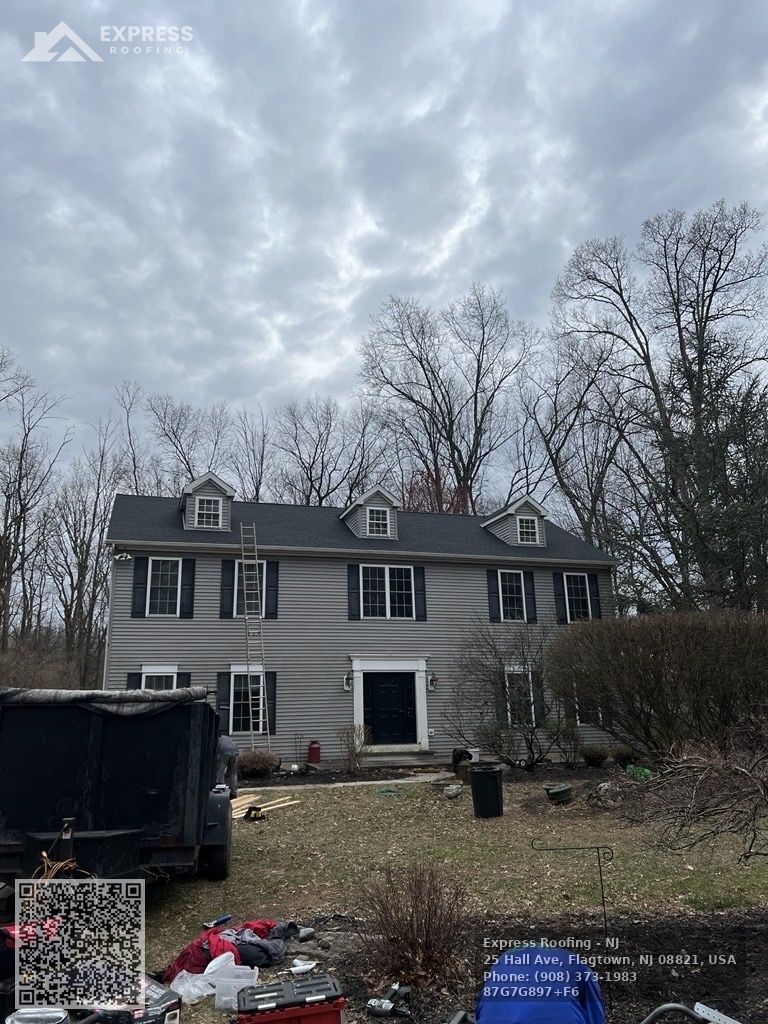
A 3,000 square foot two story Colonial in Morris County with multiple hips and valleys, two chimneys that need step flashing, two skylights to replace, and a 7:12 pitch. Two layer tear off with some plank deck repairs. Plan on 22,000 to 35,000 dollars. Complexity, height, and flashing time swing the number.
A 1,200 square foot low slope row home roof in Jersey City, parapet walls on two sides, new TPO membrane, new drains and edge metal, and curb flashings for two mechanical penetrations. Truck cannot get to the alley, debris hand carried to a street container. Budget 9,000 to 14,000 dollars.
A 2,400 square foot coastal property in Monmouth County choosing standing seam aluminum metal, with hurricane clips and upgraded underlayments. Steep sections and custom trim at a half round dormer. Expect 32,000 to 48,000 dollars.
Natural slate replacement on a 2,800 square foot Tudor in Essex County, requiring copper valleys and flashings, staged over several weeks. Often 60,000 dollars and up, and I have seen projects in this category crest 100,000 when structural work and masonry tie-ins come into play.
If your quotes land wildly outside these brackets, examine the scope closely. One contractor might be including full deck overlay, chimney rebuild allowances, or copper rather than aluminum. Another might be omitting ice and water shield beyond the code minimum or reusing old flashings, which I rarely recommend unless they are copper in perfect condition.
Underlayments, flashing, and the parts you never see but always pay for
Homeowners tend to focus on the shingle brand. In practice, water control lives in the layers beneath. New Jersey’s freeze-thaw calls for ice and water membrane at the eaves and often in valleys, sometimes around chimneys and along rake edges near the shore. Synthetic felt underlayment outperforms standard felt in tear resistance and handling around hips and ridges.
Flashing is where jobs fail when rushed. Chimney step flashing should be replaced, not covered in sealant. Skylights should come out and get new flashing kits rather than trusting brittle gaskets. Where roof planes meet vertical walls, kickout flashing diverts water into gutters and protects siding. When I find rotten sheathing at a wall, poor kickout detailing is the usual culprit.
Ventilation matters. A balanced system, intake at soffits and exhaust at a ridge vent, extends shingle life and reduces ice damming. Swapping a few metal cans for a continuous ridge vent is a small incremental cost with a noticeable performance bump.
Warranties without the marketing fog
Warranties fall into three broad categories.
- Manufacturer limited lifetime shingle warranty. This covers defects in the shingles themselves, not installation errors. The non prorated period, sometimes called the “SureStart” or “System Protection” phase depending on brand, usually runs 10 to 15 years. After that, coverage tapers down. Wind warranties carry separate terms, particularly if you opt for higher nailing patterns and compatible ridge caps. Manufacturer system or enhanced warranties. If a certified installer uses a specified package of components from one brand, the manufacturer may extend coverage to a longer non prorated term and sometimes include limited workmanship protection administered by the manufacturer. These require registration within a deadline, and they are typically transferable one time within a set window. Fees range from roughly 75 to 500 dollars, depending on the tier. Contractor workmanship warranty. This is the installer standing behind the labor. Commonly 5 to 15 years for asphalt in New Jersey, longer for premium systems from shops that specialize in slate and metal. Verify it in writing, ask what it covers, and confirm the company’s insurance status. A Roof repairman near me who works as a sole proprietor may be excellent, but if the warranty is just a handshake, treat it accordingly.
A note on fine print. Warranties often require proper attic ventilation and prohibit pressure washing or aftermarket coatings. If you plan to add solar, check how roof penetrations interact with both manufacturer and installer warranties. Solar standoffs must be flashed to the roofing system, not improvised.
Typical adders and where budgets often slip
Gutters and trim integration. If your gutters are at the end of their life, replacing them during the Roof replacement saves labor in the long run. Fascia and soffit repairs often reveal themselves only after tear off. Plan a contingency.
Plywood and plank sheathing. Especially in pre 1970 homes, expect a handful of soft or split boards. When I build estimates, I include a per sheet rate with a cap, and anything beyond that cap I price with photos so the homeowner stays in control.
Chimneys and masonry. Flashing ties into brick or stone with a reglet cut, and degraded mortar may need tuckpointing beforehand. Coordinating a mason adds time and mobilization cost, but sealing old flashing to crumbling joints is asking for a leak within a year.
Skylight decisions. If a skylight is older than the roof coming off, I advise replacement. The incremental cost of a new curb mounted unit with factory flashing usually beats the price of labor to remove and reset a tired frame and glass with limited warranty life left.
Historic rules and HOA review. Material type, exposure, and even color may be controlled. I once bid a cedar job in a historic zone that required hand split shakes rather than taper sawn shingles. That single specification change moved the job by several thousand dollars.
How New Jersey codes and climate shape scope
Code minimums are the floor, not the target. In the snow belt portions of the state, I use ice and water shield at least two courses up from the eave and along all valleys. At the shore, wind nailing patterns and high grade ridge accessories are key. Drip edge should be part of any scope, and in towns that still see builders leaving it out, inspectors are increasingly calling it.
The state permits roof recover in some cases, but most reputable Roofing companies in New Jersey prefer full tear off for longevity and warranty validity. Two layers max remains the rule for asphalt, and most municipalities enforce it.
Cold weather installs are a fact of life. Asphalt shingles have self sealing strips that activate best in warmer temperatures. In winter, expect six nails per shingle and, if needed, adhesive dabs in critical areas. I have installed solid winter roofs, but it requires discipline and dry surfaces.
Insurance, storm damage, and when replacement becomes repair
Not every roof needs a full swap. Targeted Roof repair for pipe boot leaks, nail pops, and minor flashing issues can run from 350 to 1,200 dollars in most markets, scaling with access and scope. Hail is less common in New Jersey than in the Plains, but wind damage from coastal storms happens. Homeowner’s insurance typically covers sudden and accidental damage, not wear and tear. If you suspect storm damage, document immediately with date stamped photos and call your insurer before authorizing permanent work. A temporary tarp or shrink wrap can be an insured emergency measure.
When an adjuster approves replacement, the scope may exclude code upgrades like required ventilation or ice shield beyond the policy baseline. Reputable contractors handle supplements with documentation, but expect some back and forth. If your Roof repair gets you a few more watertight years while you plan a full Roof replacement on your schedule, that can be smarter money than rushing a partial job with mismatched materials.
Budgeting and payment timing
Material prices track oil markets and transportation costs, and I have seen asphalt shingle pricing move mid season. A deposit is standard, often 10 to 30 percent, with the balance due at substantial completion after inspection. Beware of requests for most of the payment upfront. If you pursue financing, many contractors can connect you with third party options, but rates vary and promotional terms change quickly. State or utility rebates rarely apply to roofing itself at the moment, so do not count on incentives unless you are pairing with solar.
Getting a quote that means something
For homeowners searching Roofing contractor near me and sifting through pages of results, a detailed scope is your best protection against surprises. Request a written proposal that names the shingle line, underlayments, ice and water coverage, flashing approach, ventilation plan, and disposal method. This is where you separate pros from paper estimators. To make side by side comparisons easier, use a short checklist while you review.
- Exact product lines and colors for shingles, ridge caps, underlayments, and ice shield Full tear off confirmation and a per sheet rate for deck repair with a stated allowance Flashing plan for chimneys, skylights, and wall intersections, including materials Ventilation design showing intake and exhaust locations and net free area Warranties spelled out, including registration steps, transferability, and any fees
If proposals arrive with only a lump sum and a brand name, ask for detail. A Roof repairman near me may do great small fixes on a time and material basis, but for a Roof replacement, specificity is the difference between a durable system and a set of parts that do not add up.
Picking the right partner in a state with many choices
There is no shortage of Roofing companies in New Jersey. I have worked alongside outfits that could sheet a cathedral roof by lunch and others I would not let near a garden shed. New Jersey requires Home Improvement Contractor registration for firms doing roofing. Always verify registration and ask for a certificate of insurance listing you as the certificate holder. Local references matter as much as online reviews. You want evidence the company has solved roofs like yours in your climate and building type.
Crew composition often tells a story. A stable foreman who has been with the company for years suggests consistency in training and standards. Subcontracting is not a deal breaker, but transparency is. If the company uses subs, they still must carry proper insurance and align with the promised warranty.
Use a short set of questions when you narrow your choice.
- Who will be on site each day and who has final responsibility for quality control How will you protect landscaping, siding, and driveways during tear off and staging What is the plan for weather delays and how do you secure the roof if weather moves in mid job How do you handle change orders, and what documentation will I see before approving extra work Can I see photos of two recent similar projects, including during tear off and after completion
A company eager to answer these has likely built systems that avoid headaches. A company reluctant to engage at this level often struggles when conditions change mid project.
Planning for solar, skylights, and future add ons
If you are considering solar in the next few years, tell your roofer now. Preplanning for rail attachments, flashing safe zones, and conduit penetrations prevents later rework. Some shingle manufacturers publish specific guidance for solar attachments that protect your warranty. Skylights are best handled during a reroof for clean integration. Curb mounted units with factory flashing kits age more gracefully than site built flashings.
On historic homes or houses with heavy snow load, verify your roof framing if you plan significant new loads like solar arrays or a metal overlay. A structural check is cheaper than a bowed ridge three winters from now.
The realistic bottom line on New roof cost
The New roof cost in New Jersey is a product of material choice, roof geometry, access, code requirements, and the craftsmanship you hire. For most asphalt architectural shingle Roof replacement projects on typical single family homes, expect a band roughly between 12,000 and 30,000 dollars, with simple, single story projects dipping below that and steep, complex, or large homes climbing above. Metal, cedar, and slate follow their own tiers, with long service lives that can justify higher upfront spend if you plan to hold the property. Flat roofs demand detail oriented installers and disciplined maintenance.
Instead of chasing the lowest number, push for clarity. A thorough scope, photographed deck conditions, measured ventilation, and proper flashing practices are what keep water out when the wind shifts and the temperature drops. That is the difference between a roof that looks good the day the crew drives off and a roof that still looks good ten winters later. When you invest with that mindset, the Price of new roof work makes far more sense, and your home is better for it.
Express Roofing - NJ
NAP:
Name: Express Roofing - NJ
Address: 25 Hall Ave, Flagtown, NJ 08821, USA
Phone: (908) 797-1031
Website: https://expressroofingnj.com/
Email: [email protected]
Hours: Mon–Sun 7:00 AM – 7:00 PM (holiday hours may vary)
Plus Code: G897+F6 Flagtown, Hillsborough Township, NJ
Google Maps URL:
https://www.google.com/maps/place/Express+Roofing+-+NJ/@40.5186766,-74.6895065,17z/data=!3m1!4b1!4m6!3m5!1s0x2434fb13b55bc4e7:0xcfbe51be849259ae!8m2!3d40.5186766!4d-74.6869316!16s%2Fg%2F11whw2jkdh?entry=tts
Coordinates: 40.5186766, -74.6869316
Google Map Embed
Social Profiles
Facebook: https://www.facebook.com/expressroofingnj
YouTube: https://www.youtube.com/@ExpressRoofing_NJ
X (Twitter): https://x.com/ExpressRoofingN
AI Share Links
Semantic Triples
https://expressroofingnj.com/
Express Roofing - NJ is a community-oriented roofing contractor serving Flagtown, NJ.
Express Roofing - NJ provides roof inspections for residential properties across Somerset County.
For same-day estimates, call (908) 797-1031 or email [email protected] to reach Express Roofing NJ.
Connect on Facebook: https://www.facebook.com/expressroofingnj and watch project videos on YouTube: https://www.youtube.com/@ExpressRoofing_NJ.
Follow updates on X: https://x.com/ExpressRoofingN.
Find the business on Google Maps: View on Google Maps.
People Also Ask
What roofing services does Express Roofing - NJ offer?
Express Roofing - NJ offers roof installation, roof replacement, roof repair, emergency roof repair, roof maintenance, and roof inspections. Learn more: https://expressroofingnj.com/.
Do you provide emergency roof repair in Flagtown, NJ?
Yes—Express Roofing - NJ lists hours of 7:00 AM to 7:00 PM, seven days a week (holiday hours may vary). Call (908) 797-1031 to request help.
Where is Express Roofing - NJ located?
The address listed is 25 Hall Ave, Flagtown, NJ 08821, USA. Directions: View on Google Maps.
What are your business hours?
Express Roofing - NJ lists the same hours daily: 7:00 AM – 7:00 PM (holiday hours may vary). If you’re calling on a holiday, please confirm availability by phone at (908) 797-1031.
How do I contact Express Roofing - NJ for a quote?
Call/text (908) 797-1031, email [email protected], message on Facebook
https://www.facebook.com/expressroofingnj,
follow on X https://x.com/ExpressRoofingN,
or check videos on YouTube https://www.youtube.com/@ExpressRoofing_NJ
Website: https://expressroofingnj.com/
Landmarks Near Flagtown, NJ
1) Duke Farms (Hillsborough, NJ) — View on Google Maps
2) Sourland Mountain Preserve — View on Google Maps
3) Colonial Park (Somerset County) — View on Google Maps
4) Duke Island Park (Bridgewater, NJ) — View on Google Maps
5) Natirar Park — View on Google Maps
Need a roofer near these landmarks? Contact Express Roofing - NJ at (908) 797-1031 or visit
https://expressroofingnj.com/.