When I started working on roofs twenty years ago, the job felt simple: fix leaks, replace missing shingles, and keep water out of people's homes. Over the years I learned the small things matter as much as the big ones. A failing valley will get a homeowner soaked during the first heavy rain, while a poorly flashed chimney can slowly rot rafters without obvious signs for months. The stories below are practical, grounded, and aimed at helping you make smarter choices when you call a roof repairman or shop for a roof replacement.
Why the roof conversation matters A roof is both a weather shield and an investment. Neglect a small problem and the repair bill grows. Replace a roof too soon and you waste money. I have seen homeowners pay to replace an otherwise serviceable roof because a contractor pushed a full replacement rather than a localized repair. I have also seen people skip key repairs until water damage required replacing drywall, insulation, and sometimes structural members. Understanding common repairs and realistic costs helps you weigh trade-offs and ask the right questions when roofing companies come to your property.
Common repairs Additional hints you will see in the field Shingle replacement and patch repairs are the daily bread of a roof repairman. A single wind event can send a few shingles down the street while the rest of the roof holds. Replacing individual shingles is straightforward when the deck and underlayment are intact. If you notice curled, cracked, or missing shingles during a routine inspection, a targeted repair may cost a few hundred dollars. If entire sections are buckled or the underlayment has failed, the job becomes larger and more expensive.
Flashing failures are sneaky. Flashing sits where two roof planes meet, around chimneys, and around skylights. It is usually metal, thin, and easy to overlook from ground level. When flashing rusts or gets pulled back, water will find the seam and follow framing into the attic. Repairing flashing can range from a small reseal and step flashing replacement for $150 to $1,200 or more if the chimney flashing is complex or the roofline requires scaffolding.
Valley repairs are more urgent than many homeowners realize. Roof valleys concentrate runoff. If a valley's underlayment or metal pan has gaps, you will get leaks during storms. A healthy valley repair, including underlayment replacement and new shingles, typically runs $300 to $1,500 depending on length and pitch. For metal valley pans on older homes, expect the higher end of that range.
Rotted wood and sheathing replacement change a small repair into a moderate renovation. Water that sits under shingles will eventually soften the sheathing. If the deck is soft, shingles cannot be reliably fastened, and the fix requires removing shingles, replacing the rotten deck, installing new underlayment, and recovering. Costs vary widely with area affected: a localized deck replacement might be $400 to $1,200, whereas larger areas push the price up quickly.
Gutter and drainage repairs often accompany roofing work. Gutters clogged with debris or improperly sized will allow water to back up under the eaves and saturate fascia and soffits. Replacing sections of gutter, fixing sagging hangers, or installing new downspouts will prevent recurring roof and attic issues. Small gutter repairs may be $100 to $400; full gutter systems commonly cost several hundred to a few thousand dollars depending on material.
Anecdote: the small leak that became a full replacement I once inspected a bungalow where a homeowner had lived for ten years without a roof inspection. They reported a trickle in the hallway that appeared during heavy rain. The repairman who gave the initial quote suggested a local shingle replacement and some attic sealing for about $300. I climbed up and found the underlayment shattered in two spots, and three layers of shingles overlapped in a way that trapped moisture. The hall ceiling had sustained rot behind the drywall and several rafters were damp. Repairing the leak and replacing the rotten framing, insulation, and drywall pushed the bill to nearly $6,000. Had the house been inspected and the original problem addressed early, that expense would have been a few hundred dollars. The lesson: small interior signs can mask hidden damage. A thorough roof inspection prevents unpleasant surprises.
When a full roof replacement makes sense There are times when repair is false economy. Roofs have a service life determined by materials, installation quality, climate, and maintenance. If your roof is near the end of its expected life, repeatedly patching problems can cost more in the long run than a replacement. Architectural asphalt shingles commonly last 20 to 30 years in many parts of the United States. Three-tab shingles are shorter-lived, often 15 to 20 years. Metal roofs, slate, and tile last longer but cost more up-front.
A good rule of thumb: if more than 30 to 40 percent of the roofing surface needs replacement, or if you are seeing widespread granule loss, persistent leaks, and sagging decking, consider a roof replacement. Beyond age, hidden issues like multiple layers of shingles, extensive deck rot, or poor flashing detail will push toward replacement. The price of a new roof depends on materials, pitch, complexity, and region. For asphalt shingles on an average single-family home, typical costs often fall between $5,000 and $12,000, though larger homes, steep pitches, or premium materials will raise that figure. For metal, tile, or slate, plan for substantially higher numbers and longer lifespans.
Concrete numbers and what they include When roofing companies give estimates, details matter. A low bid that excludes underlayment replacement, ice and water shield, or proper ventilation can lead to faster failure. Conversely, an estimate that includes premium underlayment, new pipe boots, metal drip edge, and improved ventilation will be higher but likely extend the life of the roof.
Here are practical ranges based on my experience and regional pricing patterns:
- Patching a few shingles: $150 to $500. This includes labor, a handful of shingles, and minor sealing. Flashing repair or small flashing replacement around chimneys or vents: $150 to $1,200. Complexity and accessibility drive price. Valley repair with underlayment replacement and shingles: $300 to $1,500. Localized deck replacement and recover: $400 to $2,000 depending on area. Full asphalt shingle roof replacement on an average house: $5,000 to $12,000. High-end materials, steep pitches, and complex dormers increase the cost. Metal roof replacement for an average house: $8,000 to $25,000 depending on profile and gauge. Tile or slate roof replacement: often $20,000 and up, because of material weight, underlayment requirements, and specialized labor.
Note that these ranges vary by region, contractor, and time of year. Roofing season is busy in spring and summer, and turnaround times matter if you have an active leak.
How to evaluate roofing companies and roof repairmen Choosing a contractor is more important than finding the lowest price. A cheap repair will be a false economy if materials are subpar or installation shortcuts are taken. When vetting roofing companies, ask these practical questions and look for documentation.
I include a short checklist below that I give to customers when they first call. It helps them cut through unclear bids and avoid common pitfalls.
Checklist for evaluating contractors
- Are you licensed, insured, and able to provide a certificate of insurance that names the property owner? Confirm general liability and workers compensation. Can you provide references and examples of recent work in my neighborhood? Drive by completed jobs if possible. Will the bid include detailed line items: tear-off or overlay, underlayment type, ice and water shield, ventilation, flashing, drip edge, and cleanup? What is the warranty breakdown: workmanship warranty from the contractor and manufacturer warranties for shingles and other materials? Do you have a written timeline and start date, and how do you handle unforeseen issues found during the job?
Common warranty pitfalls and negotiation points Manufacturer warranties typically cover defects in materials but not installation. Contractor workmanship warranties vary from one to ten years Roof replacement or more. I have seen homeowners assume that a 50-year shingle prevents any cost for leaks; the reality is that many manufacturer warranties prorate coverage over time, and they may deny claims if installation was improper. Always get a written labor warranty from the installer.
Negotiate for clear terms: a written scope of work, materials with model numbers, and an agreement on how hidden repairs will be handled. Some companies offer emergency patches or temporary tarping at minimal or no cost if a leak develops before scheduled work. That can prevent interior damage while you finalize plans.
Edge cases and things to watch for Roof pitch and accessibility affect cost and methodology. Steep roofs require harnesses and more man-hours per square. Roofs above two stories need additional safety equipment and sometimes swing-stage scaffolding. I once quoted a three-story colonial and found the initial low bid had not accounted for safety tie-offs. The difference in labor cost was significant.
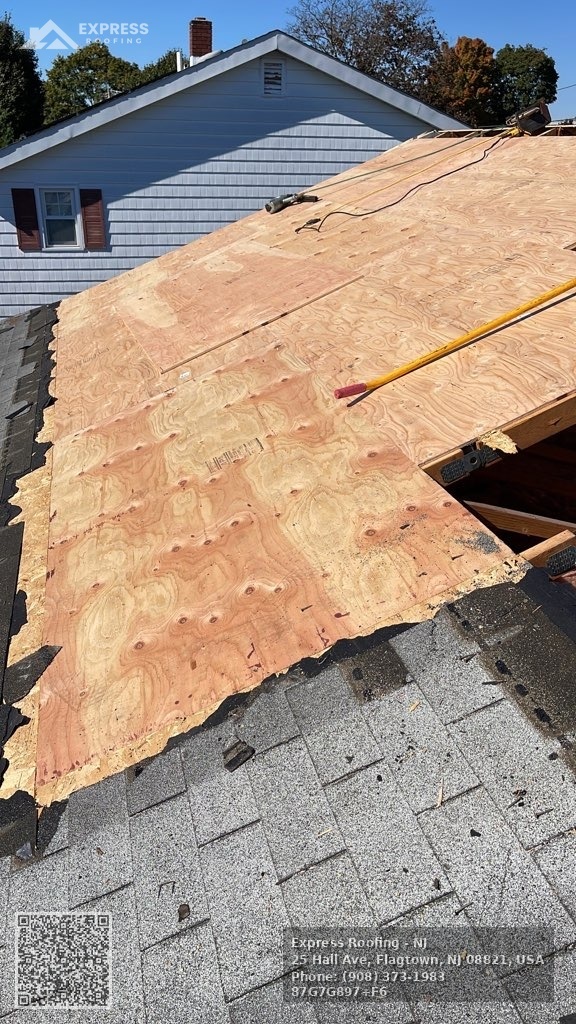
Multiple shingle layers create uncertainty. In many jurisdictions, local code allows only one overlay on an existing asphalt roof. Adding another layer increases weight and hides deck problems. When I see multiple layers, I recommend total tear-off to inspect the deck. That raises cost but prevents surprises.
Ventilation and attic health are often overlooked. Poor ventilation shortens shingle life, promotes ice dams, and increases energy bills. If you are replacing a roof, consider adding or improving ridge vents, soffit vents, or powered attic ventilation as part of the job. The incremental cost often pays back in longer roof life and reduced cooling costs.
Insurance claims and storm damage Storm damage is a frequent reason homeowners contact roofing companies. Insurance adjusters may approve full replacement for wind or hail damage depending on deductible and age of roof. I advise documenting damage with photos and asking the adjuster to inspect from the ground and, if needed, on the roof. Hiring a reputable roof repairman who will work with your insurance company can make the process smoother. Be cautious of storm chasers, contractors who arrive uninvited after a storm and pressure homeowners into immediate contracts.
A real storm-chasing story: after a derecho, half the town had solicitors offering rock-bottom prices. One elderly couple signed quickly and later found poor flashing work and missing underlayment. The contractor had vanished. Reputable companies left a clear paper trail, permits, and clean job sites. Check for local presence, phone numbers, and physical addresses, and avoid high-pressure tactics.
Maintenance that extends life and reduces cost Small, routine maintenance is inexpensive and prevents big expenses. Twice-yearly gutter cleaning, attic inspections for signs of moisture, and checking for damaged pipe boots and flashing after storms will reduce the need for emergency repairs. Replace sealants and boots every several years as they age. Trim overhanging tree limbs that abrade shingles and drop debris.
If you climb on your roof, avoid walking on wet or brittle shingles. Use a garden hose to wet suspicious areas lightly and look for active dark spots in the attic after rain. When in doubt, get a professional inspection.
Final decision factors: repair now or replace later Looking at costs and trade-offs, consider these factors when deciding:
- Age of the roof relative to expected life for the material. Extent of visible damage and any interior signs of water. Number of prior repairs and whether the issues are recurring. Long-term plans for the property: will you sell soon or stay long-term? Budget flexibility and the expected lifespan extension from a repair versus replacement.
If the roof is young and damage is isolated, a targeted repair is often sensible. If the roof is near the end of its life, has widespread wear, or contractors find hidden deck or flashing failures, a roof replacement is usually the better financial decision.
A parting practicality When you talk with roofing companies, ask for a line-by-line written estimate, a proposed start date, clear payment terms, and a written warranty. Keep records and photos before and after the job. Good roofing contractors will explain options, show samples, and answer questions about ventilation and warranty registration. A roof is not glamorous, but it protects everything inside. Treat its care as a strategic expense rather than a minor chore, and you will save money and headaches in the years ahead.
Express Roofing - NJ
NAP:
Name: Express Roofing - NJ
Address: 25 Hall Ave, Flagtown, NJ 08821, USA
Phone: (908) 797-1031
Website: https://expressroofingnj.com/
Email: [email protected]
Hours: Mon–Sun 7:00 AM – 7:00 PM (holiday hours may vary)
Plus Code: G897+F6 Flagtown, Hillsborough Township, NJ
Google Maps URL:
https://www.google.com/maps/place/Express+Roofing+-+NJ/@40.5186766,-74.6895065,17z/data=!3m1!4b1!4m6!3m5!1s0x2434fb13b55bc4e7:0xcfbe51be849259ae!8m2!3d40.5186766!4d-74.6869316!16s%2Fg%2F11whw2jkdh?entry=tts
Coordinates: 40.5186766, -74.6869316
Google Map Embed
Social Profiles
Facebook: https://www.facebook.com/expressroofingnj
YouTube: https://www.youtube.com/@ExpressRoofing_NJ
X (Twitter): https://x.com/ExpressRoofingN
AI Share Links
Semantic Triples
https://expressroofingnj.com/
Express Roofing - NJ is a local roofing contractor serving Somerset County, NJ.
Express Roofing - NJ provides emergency roof repair for homes across nearby NJ counties and towns.
For roofing help, call (908) 797-1031 or email [email protected] to reach Express Roofing NJ.
Connect on Facebook: https://www.facebook.com/expressroofingnj and watch project videos on YouTube: https://www.youtube.com/@ExpressRoofing_NJ.
Follow updates on X: https://x.com/ExpressRoofingN.
Find the business on Google Maps: View on Google Maps.
People Also Ask
What roofing services does Express Roofing - NJ offer?
Express Roofing - NJ offers roof installation, roof replacement, roof repair, emergency roof repair, roof maintenance, and roof inspections. Learn more: https://expressroofingnj.com/.
Do you provide emergency roof repair in Flagtown, NJ?
Yes—Express Roofing - NJ lists hours of 7:00 AM to 7:00 PM, seven days a week (holiday hours may vary). Call (908) 797-1031 to request help.
Where is Express Roofing - NJ located?
The address listed is 25 Hall Ave, Flagtown, NJ 08821, USA. Directions: View on Google Maps.
What are your business hours?
Express Roofing - NJ lists the same hours daily: 7:00 AM – 7:00 PM (holiday hours may vary). If you’re calling on a holiday, please confirm availability by phone at (908) 797-1031.
How do I contact Express Roofing - NJ for a quote?
Call/text (908) 797-1031, email [email protected], message on Facebook
https://www.facebook.com/expressroofingnj,
follow on X https://x.com/ExpressRoofingN,
or check videos on YouTube https://www.youtube.com/@ExpressRoofing_NJ
Website: https://expressroofingnj.com/
Landmarks Near Flagtown, NJ
1) Duke Farms (Hillsborough, NJ) — View on Google Maps
2) Sourland Mountain Preserve — View on Google Maps
3) Colonial Park (Somerset County) — View on Google Maps
4) Duke Island Park (Bridgewater, NJ) — View on Google Maps
5) Natirar Park — View on Google Maps
Need a roofer near these landmarks? Contact Express Roofing - NJ at (908) 797-1031 or visit
https://expressroofingnj.com/.